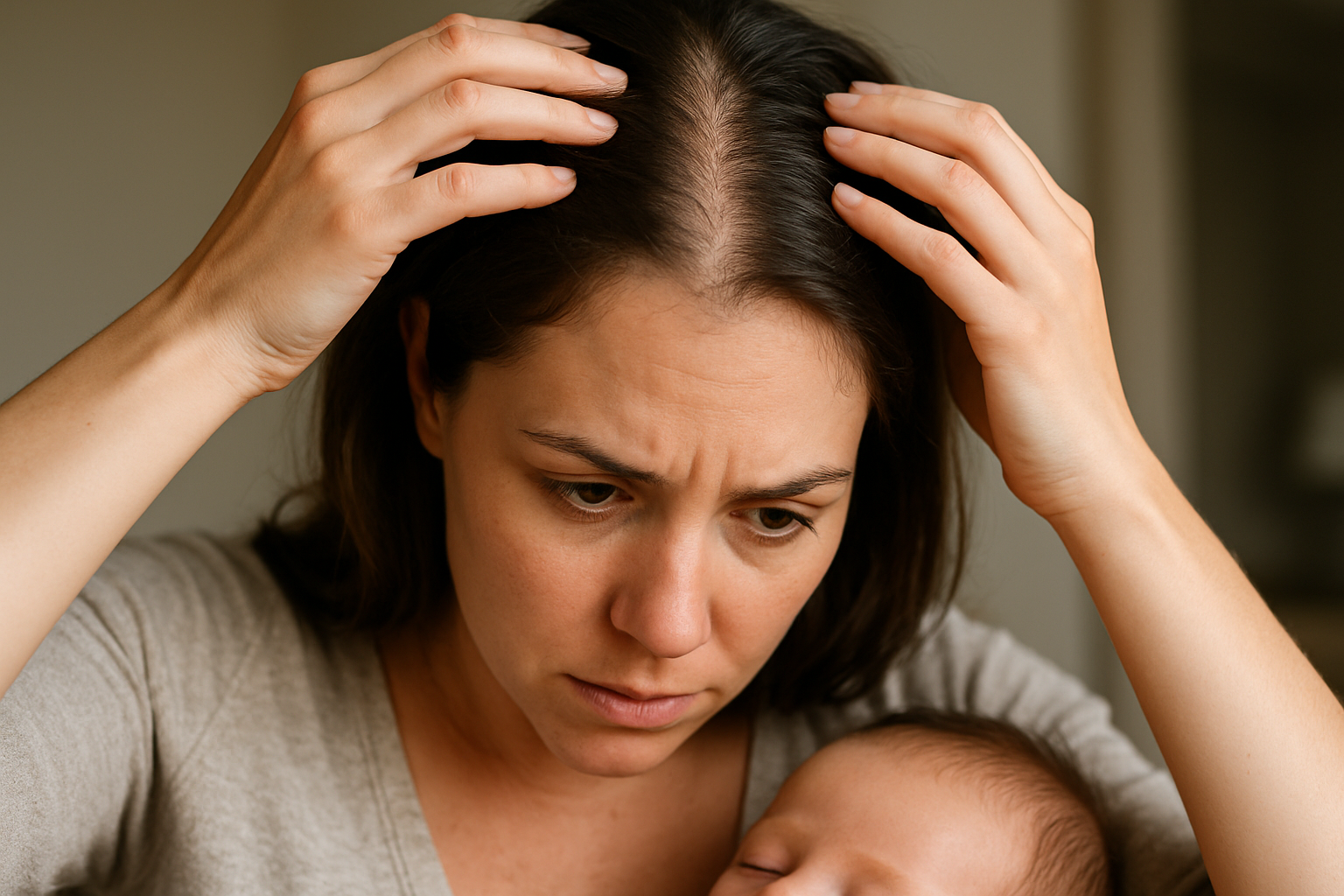
Understanding Hair Thinning: The Science Behind Follicular Deterioration
Hair thinning represents a complex physiological process involving multiple cascading mechanisms that gradually compromise follicular integrity. Unlike sudden hair loss, thinning manifests as a progressive miniaturization of hair strands, resulting in decreased density and compromised structural resilience. This phenomenon affects millions globally, transcending age, gender, and genetic predisposition.
The pathophysiology of hair thinning involves intricate hormonal fluctuations, particularly dihydrotestosterone (DHT) accumulation around follicular units. DHT binding to androgen receptors triggers follicular shrinkage, progressively shortening the anagen phase while extending telogen dormancy. Simultaneously, microcirculatory insufficiency reduces nutrient delivery to follicular matrices, creating an environment conducive to follicular atrophy.
Hormonal Cascade and Follicular Miniaturization
The androgenetic pathway represents the primary driver of follicular deterioration in most cases. 5-alpha-reductase enzyme conversion of testosterone to DHT creates a hostile follicular microenvironment. This biochemical transformation triggers inflammatory cascades, compromising keratinocyte proliferation and melanocyte activity. The result manifests as progressively thinner, shorter, and less pigmented hair strands.
Estrogen fluctuations, particularly during postpartum recovery or hormonal transitions, can exacerbate follicular vulnerability. These hormonal oscillations disrupt normal hair cycling, precipitating synchronized shedding events that compromise overall density.
Identifying Different Types of Hair Loss Patterns
Recognizing specific hair loss patterns enables targeted therapeutic interventions and realistic outcome expectations. Each pattern presents distinct characteristics requiring tailored approaches for optimal restoration outcomes.
Androgenetic Alopecia Patterns
Male pattern baldness typically manifests through Hamilton-Norwood classification stages, beginning with temporal recession and crown thinning. Female pattern hair loss follows Ludwig classification, characterized by diffuse crown thinning while maintaining frontal hairline integrity. These patterns reflect genetic predisposition combined with hormonal sensitivity variations.
Diffuse Thinning and Telogen Effluvium
Diffuse thinning presents as uniform density reduction across the entire scalp, often triggered by systemic stressors, nutritional deficiencies, or medical interventions. Telogen effluvium represents acute hair shedding following significant physiological or psychological stress, typically occurring three to six months post-trigger event.
"Understanding your specific hair loss pattern is crucial for selecting the most effective hair regrowth treatment for thinning hair, as different patterns respond differently to various therapeutic approaches."
Comprehensive Hair Regrowth Treatment Options
Contemporary hair regrowth treatments encompass diverse modalities targeting multiple pathways involved in follicular deterioration. Evidence-based approaches combine topical applications, systemic interventions, and technological innovations for synergistic therapeutic outcomes.
Clinically-Proven Topical Solutions
Advanced topical formulations incorporate cutting-edge peptide complexes and bioactive compounds specifically engineered for follicular rejuvenation. Procapil®, a revolutionary tripeptide complex, strengthens follicular anchoring while improving microcirculation. This biomimetic compound combines biotinyl-GHK, apigenin, and oleanolic acid to target multiple hair loss mechanisms simultaneously.
Capilia Longa®, derived from turmeric stem cells, represents another breakthrough in follicular regeneration technology. This innovative ingredient promotes keratinocyte proliferation while reducing inflammatory mediators that contribute to follicular miniaturization. Clinical studies demonstrate significant improvements in hair density and strand diameter following consistent application.
Introducing TGC Complete Hair Care Kit: A Clinically-Driven Solution
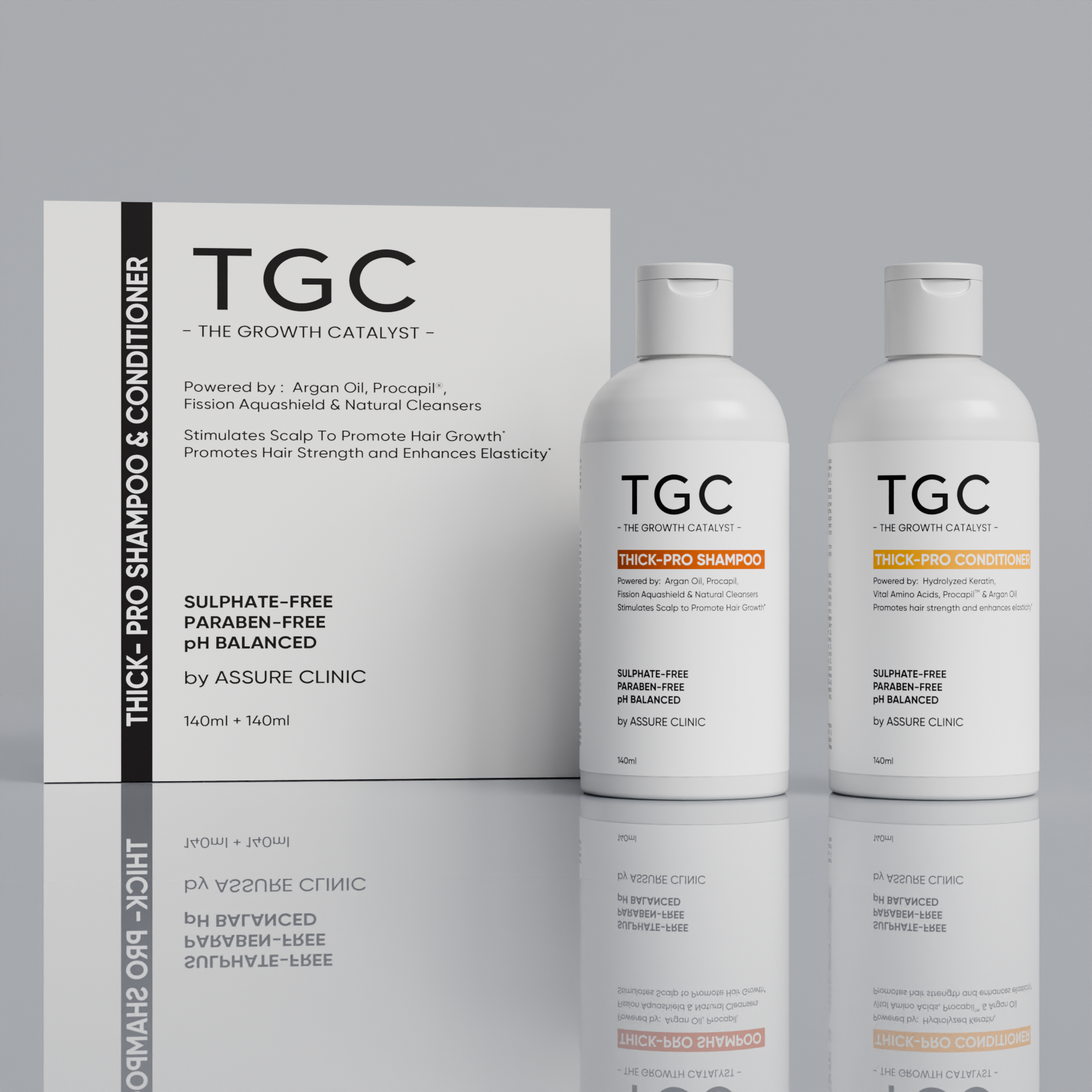
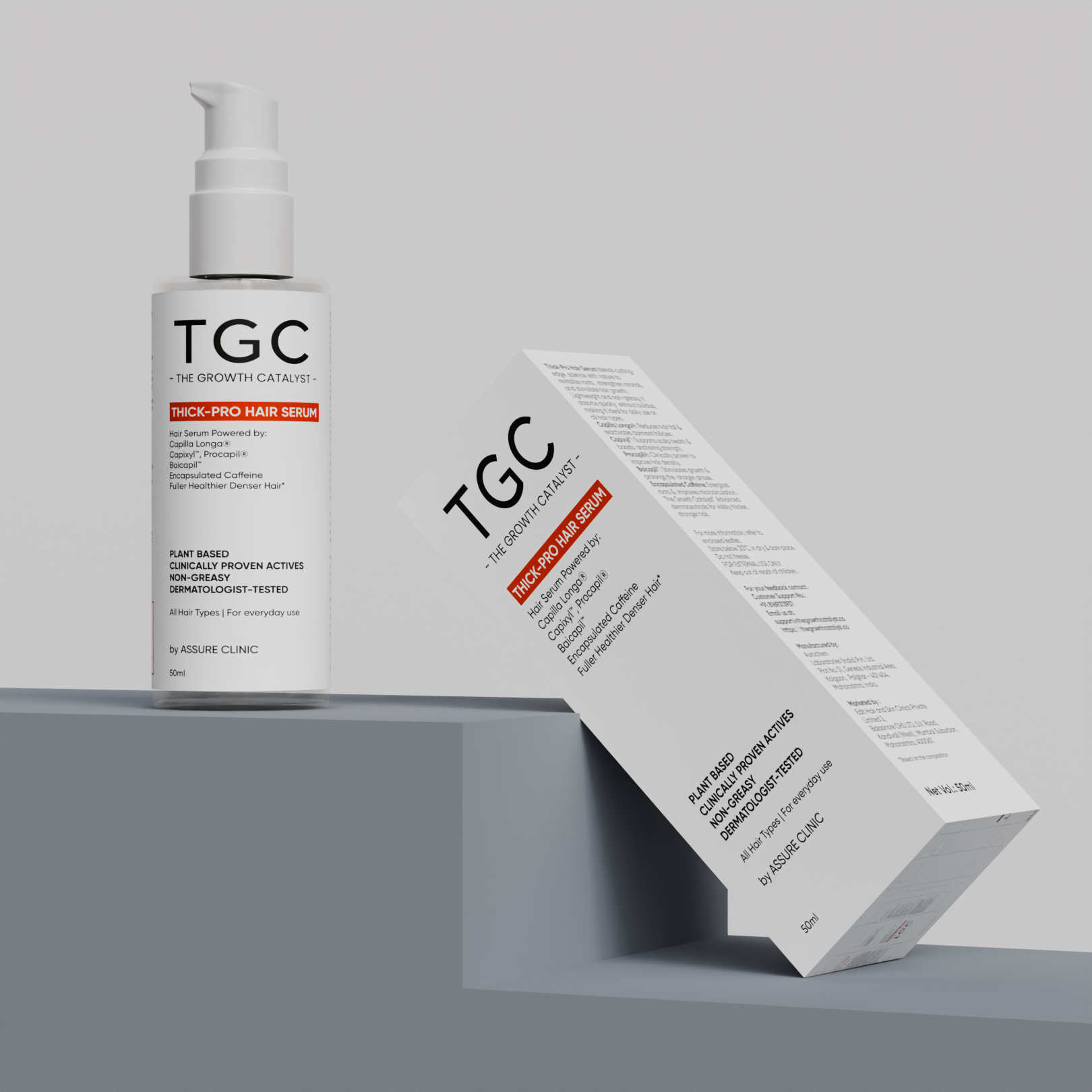
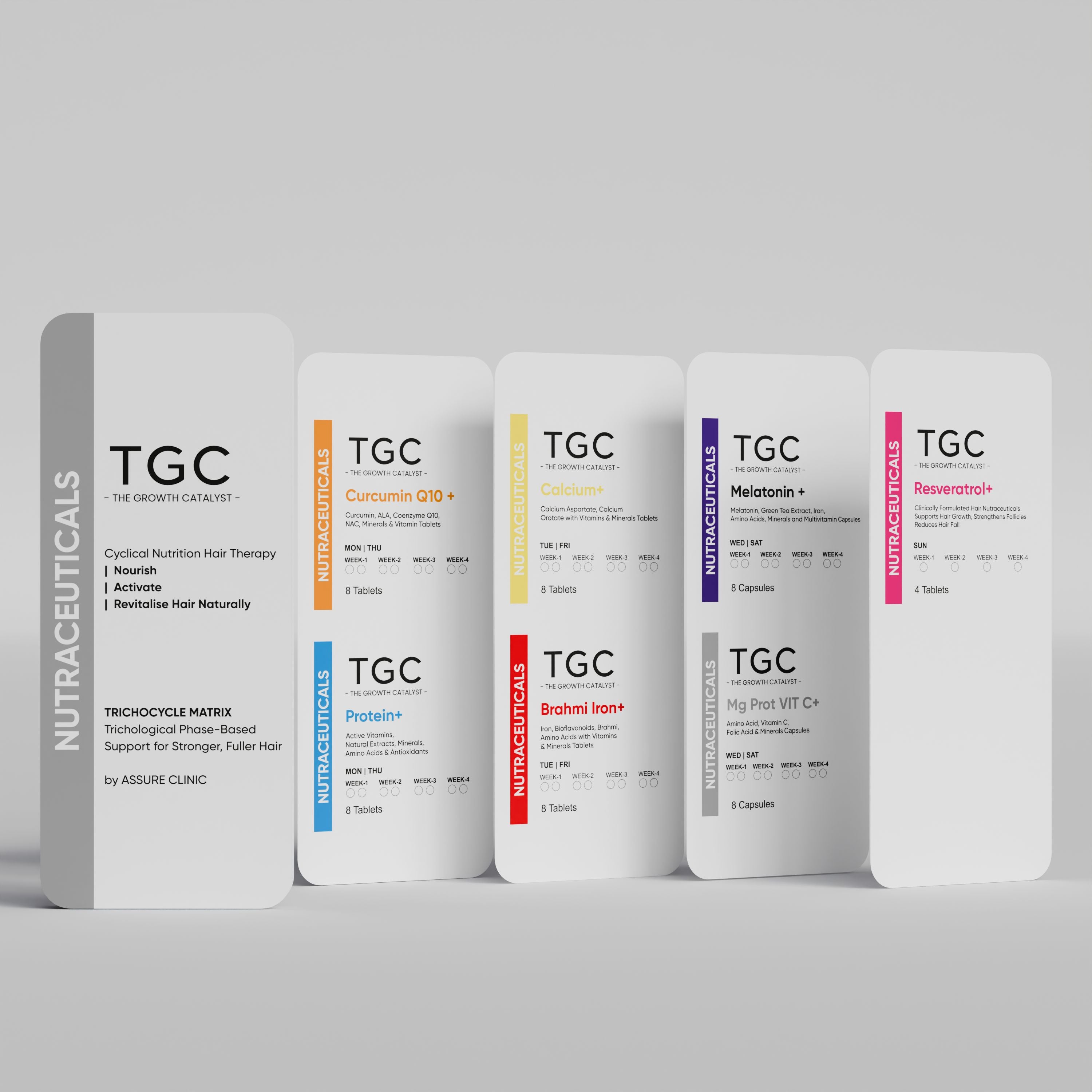
The TGC Complete Hair Care Kit represents a comprehensive approach to addressing thinning hair through scientifically-formulated products developed by India's renowned Assure Clinic. This sulfate-free and paraben-free system combines advanced shampoo, conditioner, serum, and Trichocycle nutritional supplements to create a holistic hair regrowth treatment for thinning hair.
The kit's formulation incorporates Procapil® and Capilia Longa® alongside carefully selected peptides and cyclical nutrient delivery systems. This multi-phase approach addresses scalp health optimization, strand fortification, and growth stimulation through clinically-tested ingredients. The derma-tested formulations cater to individuals experiencing various forms of hair thinning, including post-transplant recovery and postpartum hair loss.
Pharmaceutical Interventions and Systemic Approaches
Systemic treatments target internal factors contributing to follicular deterioration. Finasteride, a 5-alpha-reductase inhibitor, reduces DHT production at the source, effectively slowing miniaturization progression in susceptible individuals. However, potential side effects necessitate careful consideration and medical supervision.
Nutritional supplementation addresses deficiencies that compromise follicular health. Iron, biotin, zinc, and specialized amino acid complexes provide essential building blocks for keratin synthesis and follicular metabolism. Cyclical nutrient delivery systems optimize absorption and bioavailability for enhanced therapeutic efficacy.
Advanced Technological Interventions
Modern hair restoration incorporates sophisticated technologies that stimulate follicular regeneration through various mechanisms. These interventions complement topical and systemic treatments for comprehensive therapeutic approaches.
Low-Level Laser Therapy (LLLT)
Photobiomodulation through specific wavelength laser exposure enhances cellular ATP production and promotes angiogenesis around follicular units. Clinical studies demonstrate improved hair density and strand thickness following consistent LLLT protocols. The non-invasive nature makes this treatment particularly appealing for individuals seeking gentle yet effective interventions.
Platelet-Rich Plasma (PRP) Therapy
Autologous platelet concentrate injection delivers concentrated growth factors directly to follicular environments. PRP stimulates stem cell activation, promotes angiogenesis, and modulates inflammatory responses that contribute to follicular deterioration. Multiple sessions typically yield optimal outcomes, with maintenance treatments preserving achieved improvements.
Lifestyle Modifications for Optimal Hair Health
Comprehensive hair regrowth strategies extend beyond direct treatments to encompass lifestyle modifications that support follicular health and optimize treatment outcomes.
Nutritional Optimization
Dietary interventions play crucial roles in supporting follicular metabolism and keratin synthesis. Protein adequacy ensures amino acid availability for hair structure formation, while essential fatty acids maintain scalp lipid barrier integrity. Antioxidant-rich foods combat oxidative stress that accelerates follicular aging.
| Nutrient Category |
Key Components |
Hair Health Benefits |
| Proteins |
Biotin, Cysteine, Methionine |
Keratin synthesis, structural integrity |
| Minerals |
Iron, Zinc, Selenium |
Follicular metabolism, enzyme function |
| Vitamins |
B-complex, Vitamin D, Vitamin C |
Cellular energy, hormone regulation |
Stress Management and Sleep Optimization
Chronic stress elevates cortisol levels, disrupting normal hair cycling and precipitating premature follicular transition to telogen phase. Stress management techniques, including meditation, exercise, and adequate sleep, help maintain hormonal balance conducive to healthy hair growth.
Sleep quality directly impacts growth hormone release and cellular repair processes essential for follicular health. Establishing consistent sleep schedules and optimizing sleep environment contribute to overall treatment success.
Creating Your Personalized Hair Regrowth Protocol
Developing effective hair regrowth strategies requires careful assessment of individual factors including hair loss pattern, severity, underlying causes, and lifestyle considerations. Personalized protocols optimize treatment selection and sequencing for maximum therapeutic benefit.
Assessment and Goal Setting
Comprehensive evaluation begins with detailed medical history, family genetic patterns, and current medication review. Scalp analysis using trichoscopy or digital imaging provides baseline measurements for progress monitoring. Realistic goal setting based on individual circumstances ensures appropriate expectations and treatment adherence.
Treatment Sequencing and Combination Approaches
Synergistic treatment combinations often yield superior outcomes compared to monotherapy approaches. Starting with gentle topical interventions and gradually incorporating additional modalities allows for tolerance assessment and gradual improvement build-up.
- Begin with clinically-formulated shampoo and conditioner systems
- Introduce targeted serums containing active peptide complexes
- Add nutritional supplementation for systemic support
- Consider technological interventions for enhanced results
- Maintain consistent protocols for sustained improvements
Monitoring Progress and Adjusting Treatments
Successful hair regrowth requires ongoing assessment and protocol refinement based on individual responses and changing circumstances. Regular monitoring enables timely adjustments for optimal outcomes.
Tracking Metrics and Documentation
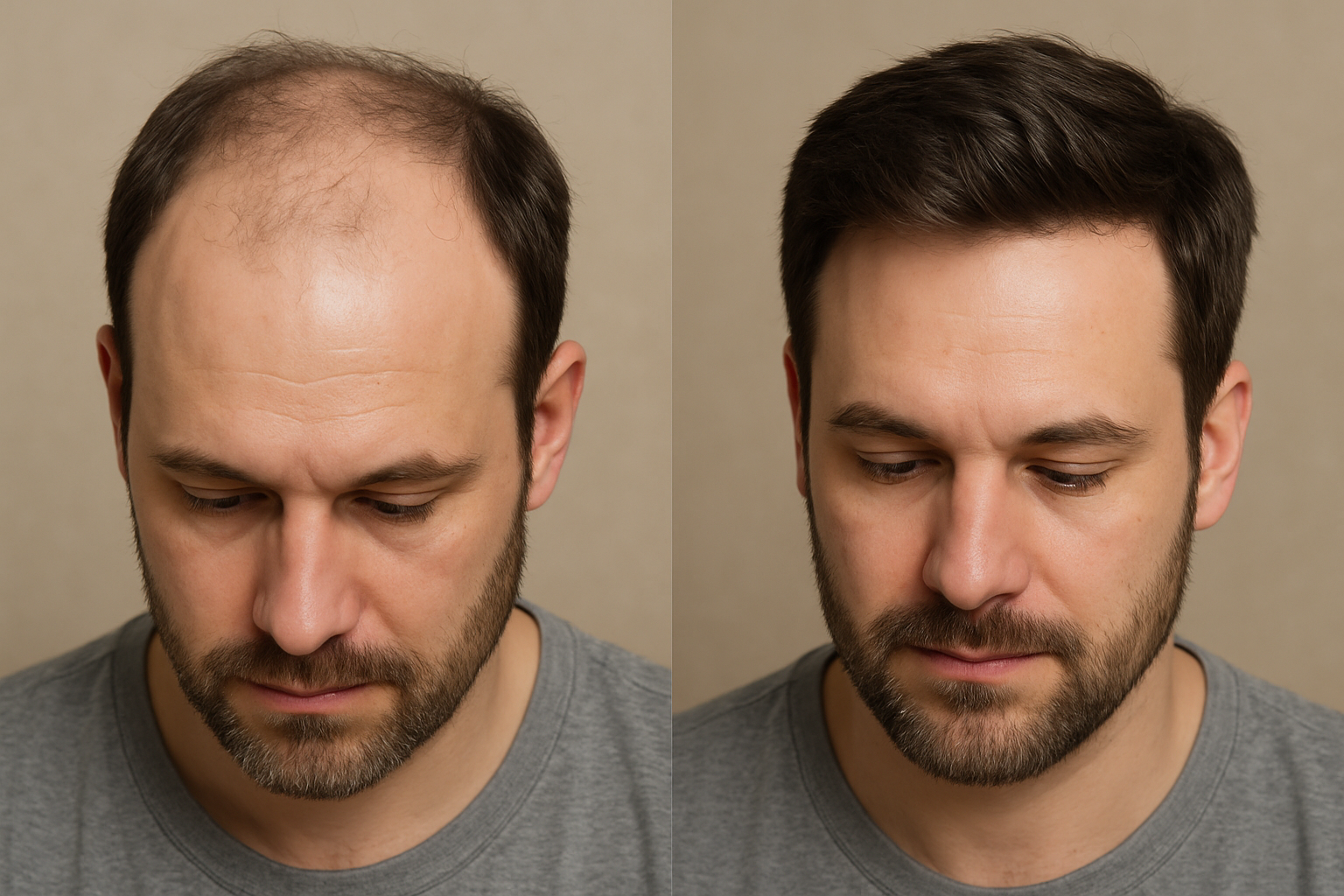
Objective progress monitoring involves photographic documentation, hair pull tests, and density measurements at regular intervals. Subjective improvements in hair texture, manageability, and overall appearance complement objective measures for comprehensive assessment.
Treatment journals documenting product usage, lifestyle factors, and observed changes help identify successful strategies and potential triggers for setbacks. This systematic approach enables evidence-based protocol adjustments.
Frequently Asked Questions
How long does it typically take to see results from hair regrowth treatments?
Most individuals begin noticing improvements within 8-12 weeks of consistent treatment, with significant results typically visible after 4-6 months. Hair growth cycles naturally require extended timeframes for visible changes to manifest.
Can hair regrowth treatments work for post-transplant recovery?
Yes, specialized formulations support post-transplant healing and optimize graft survival through improved scalp health and reduced inflammation. Gentle, sulfate-free products minimize irritation while promoting optimal recovery conditions.
Are there any contraindications for combining different hair regrowth treatments?
Generally, topical treatments combining peptides, vitamins, and natural extracts are well-tolerated together. However, introducing pharmaceutical interventions requires professional guidance to avoid potential interactions.
What role does scalp health play in treatment success?
Optimal scalp health provides the foundation for successful hair regrowth by ensuring proper nutrient delivery, maintaining appropriate pH balance, and minimizing inflammatory conditions that impede follicular function.