Understanding Postpartum Hair Loss: The Science Behind Maternal Alopecia
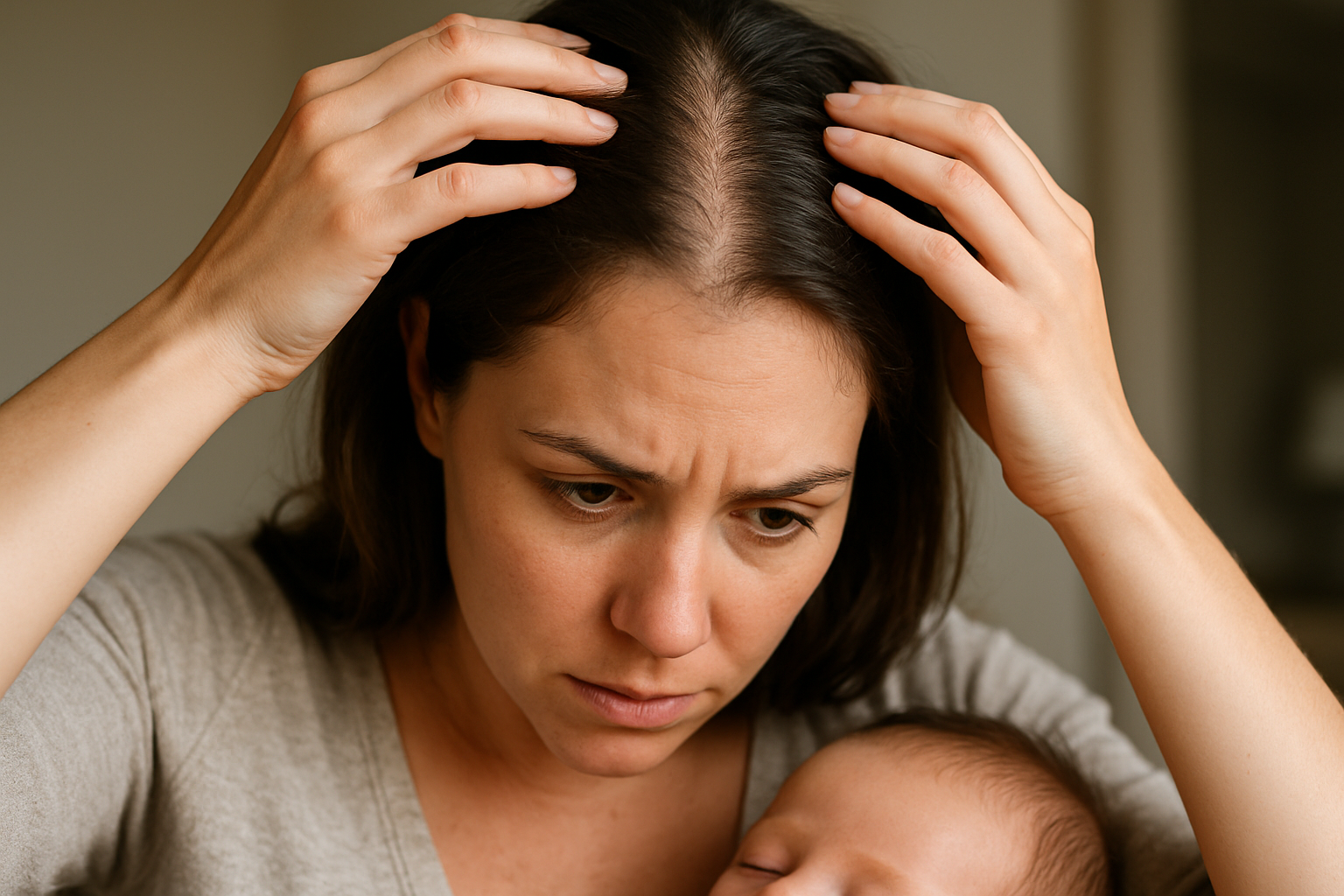
The phenomenon of postpartum hair loss, medically termed telogen effluvium, represents one of the most perplexing yet predictable transformations following childbirth. This temporary condition affects approximately 40-50% of new mothers, manifesting as diffuse thinning and increased shedding that can persist for several months. Understanding the intricate physiological mechanisms behind this occurrence forms the cornerstone of effective recovery strategies.
During pregnancy, elevated estrogen and progesterone levels extend the anagen phase of hair growth, effectively keeping more follicles in their active growing state. This hormonal milieu creates the lustrous, voluminous hair many women experience during gestation. However, the precipitous decline in these hormones postpartum triggers a synchronized shift of follicles into the telogen phase, resulting in widespread shedding approximately 2-4 months after delivery.
Hormonal Cascades and Follicular Dynamics
The endocrine disruption following parturition creates a perfect storm for follicular dysfunction. Declining estradiol levels compromise the hair shaft's structural integrity, while fluctuating thyroid hormones—common in the postpartum period—further exacerbate follicular miniaturization. Additionally, prolactin elevation during lactation can extend the duration of hair loss by interfering with normal follicular cycling.
Cortisol dysregulation, often accompanying sleep deprivation and maternal stress, compounds these effects by disrupting protein synthesis within the hair matrix. This multifactorial assault on follicular health necessitates a comprehensive approach to restoration that addresses both systemic imbalances and localized scalp pathophysiology.
Clinical Assessment and Diagnostic Considerations
Accurate evaluation of postpartum hair loss requires distinguishing between physiological telogen effluvium and pathological alopecia conditions that may coincidentally manifest during the postpartum period. A thorough clinical assessment should encompass both subjective symptom evaluation and objective measurements of hair density and quality.
Distinguishing Normal from Pathological Hair Loss
Normal postpartum shedding typically presents as diffuse thinning without distinct patterns of recession or bald patches. The hair pull test, performed by gently tugging 50-60 hairs, should yield fewer than 6 hairs in healthy individuals but may produce 10-15 hairs during active telogen effluvium. Dermoscopy reveals increased telogen hairs and potential follicular miniaturization in affected areas.
"The key to successful postpartum hair recovery lies in understanding that this is a temporary physiological process that responds favorably to targeted interventions addressing both nutritional deficiencies and follicular support." - Clinical Hair Research Foundation
Pathological conditions requiring medical intervention include androgenetic alopecia, alopecia areata, or thyroid-mediated hair loss. These conditions often present with distinct patterns, inflammatory signs, or persistent progression beyond the expected recovery timeframe.
Comprehensive Nutritional Strategies for Hair Recovery
Nutritional rehabilitation forms the foundation of effective postpartum hair loss recovery. The demands of pregnancy, delivery, and lactation create significant micronutrient depleions that directly impact follicular function and hair shaft formation. A systematic approach to nutritional repletion can dramatically accelerate recovery timelines.
Essential Micronutrients for Follicular Health
Iron deficiency, prevalent in up to 25% of postpartum women, severely compromises hair growth through impaired oxygen transport to follicular cells. Ferritin levels below 40 ng/mL correlate with increased hair shedding, necessitating targeted supplementation with bioavailable iron forms.
Zinc serves as a cofactor for over 100 enzymatic reactions involved in protein synthesis and cellular division within hair follicles. Postpartum zinc depletion, exacerbated by breastfeeding losses, requires supplementation with chelated forms for optimal absorption. Selenium and copper work synergistically to maintain follicular antioxidant defenses and support keratin cross-linking.
| Nutrient |
Daily Requirement |
Hair-Specific Function |
| Iron |
18-27 mg |
Oxygen transport, cellular metabolism |
| Zinc |
12-15 mg |
Protein synthesis, wound healing |
| Biotin |
300-5000 mcg |
Keratin formation, follicular metabolism |
| Vitamin D3 |
2000-4000 IU |
Follicular cycling, immune modulation |
Phased Nutritional Supplementation Protocols
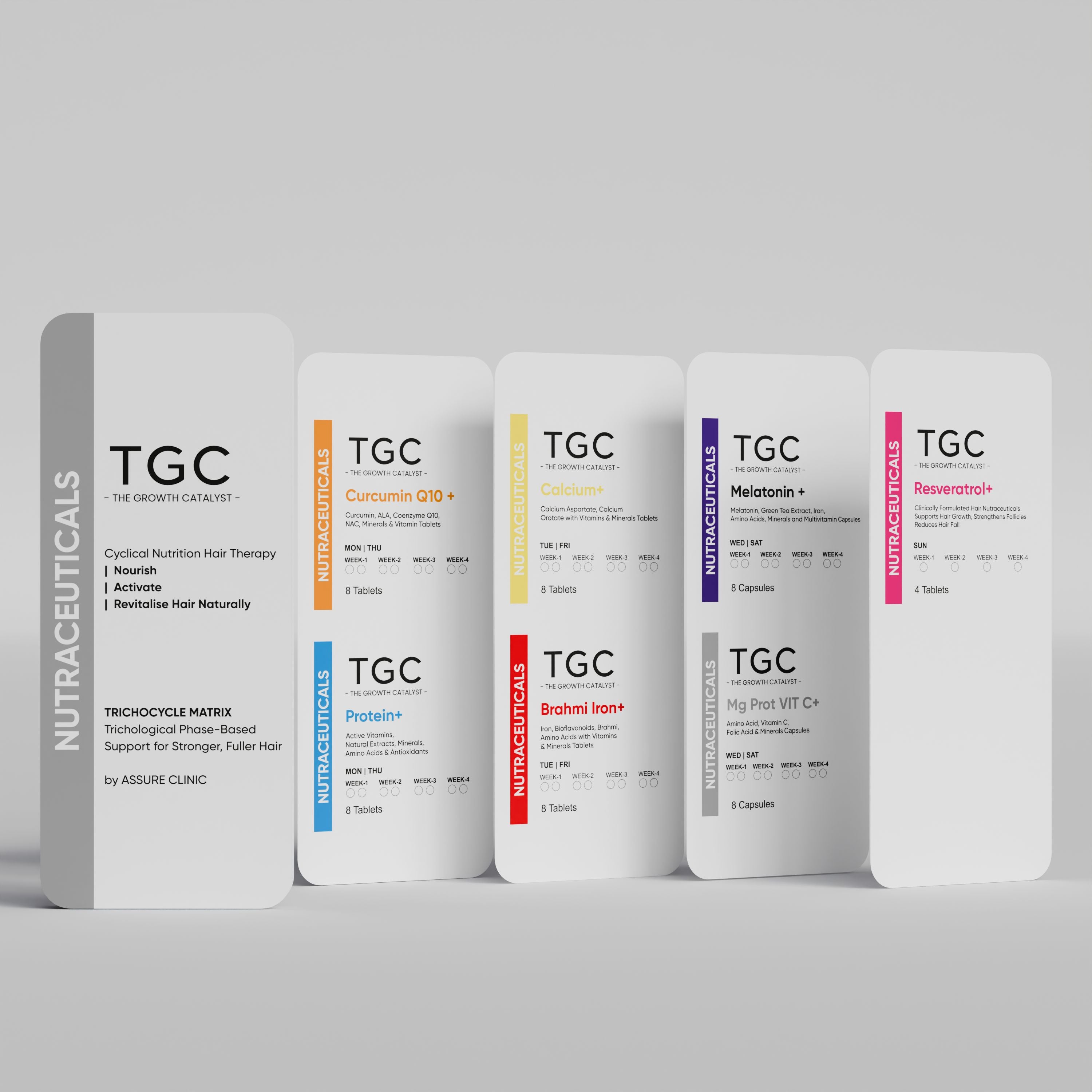
Cyclical nutrient delivery systems optimize absorption and minimize gastrointestinal distress common with traditional supplementation. Phase-specific formulations align nutrient availability with natural circadian rhythms of follicular activity, maximizing therapeutic efficacy while reducing systemic side effects.
Morning phases typically emphasize B-complex vitamins and iron for energy metabolism and cellular division. Evening formulations focus on amino acids, antioxidants, and adaptogenic compounds that support overnight repair processes and stress hormone regulation.
Advanced Topical Interventions and Scalp Therapeutics
Topical interventions provide direct follicular support while bypassing systemic absorption concerns relevant to breastfeeding mothers. Clinically validated ingredients offer targeted mechanisms of action addressing specific aspects of postpartum hair loss pathophysiology.
Peptide-Based Follicular Stimulation
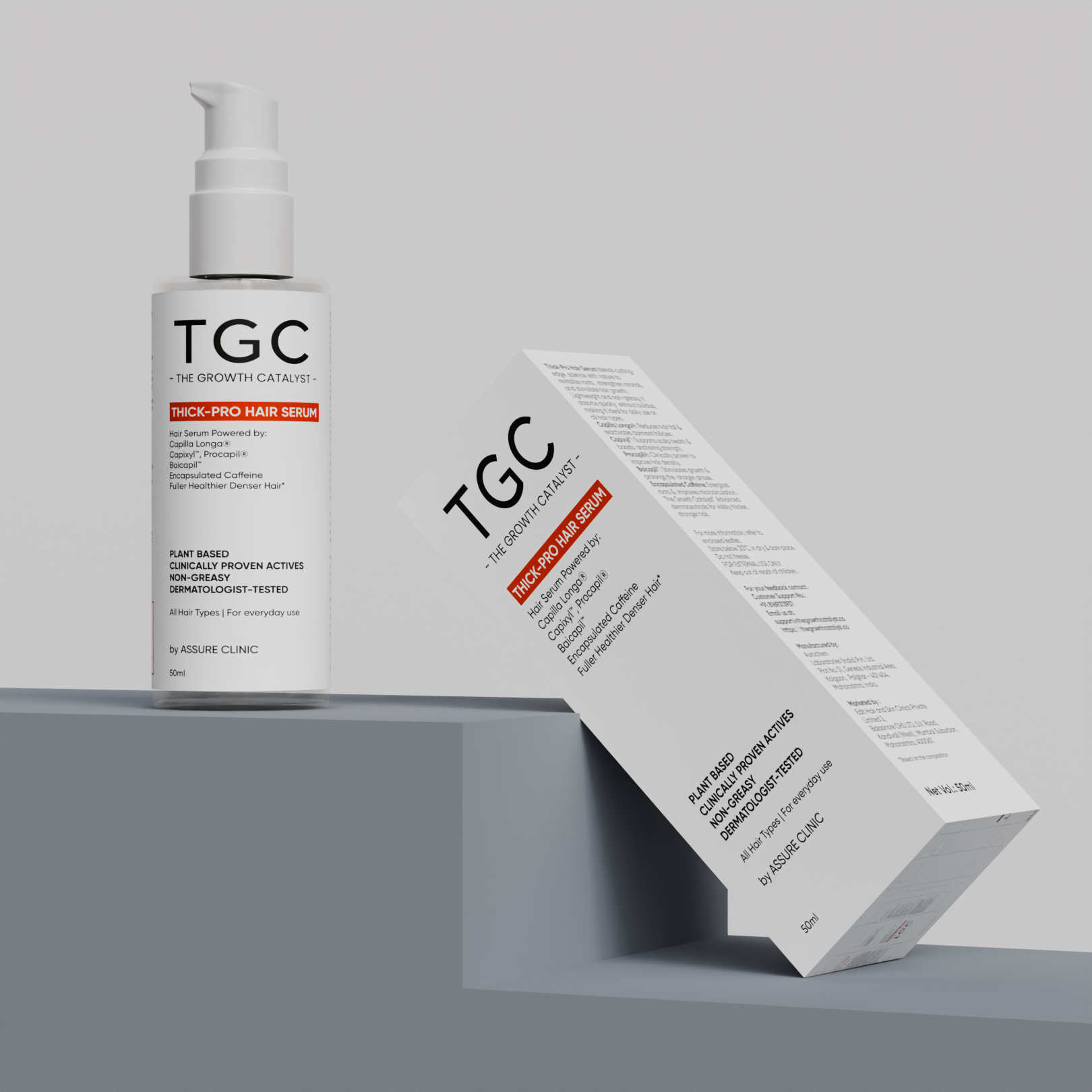
Biomimetic peptides like Procapil® combine apigenin, oleanolic acid, and biotinyl tripeptide-1 to target multiple pathways involved in hair loss. This sophisticated complex inhibits 5α-reductase activity, improves follicular microcirculation, and extends the anagen phase through direct cellular signaling.
Capilia Longa®, derived from turmeric root, provides potent anti-inflammatory effects while stimulating dermal papilla cell proliferation. These botanical actives offer gentler alternatives to pharmaceutical interventions while maintaining clinical efficacy in controlled studies.
Scalp Microenvironment Optimization
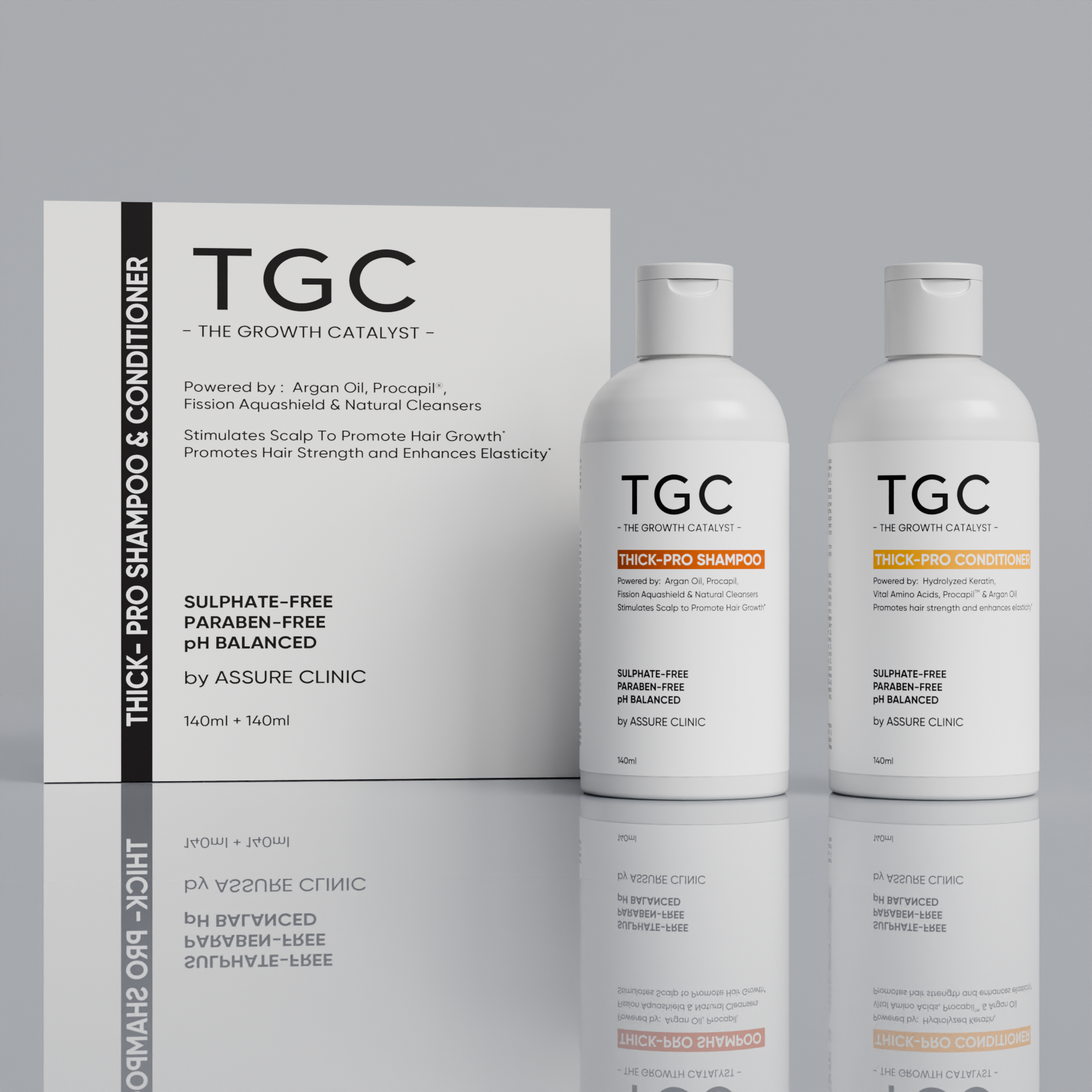
Maintaining optimal scalp pH between 4.5-5.5 supports the acid mantle's protective function and enhances penetration of active ingredients. Sulfate-free cleansing systems preserve natural lipid barriers while removing inflammatory debris that can impede follicular function.
Regular scalp massage increases local blood flow and mechanical stimulation of follicles. Studies demonstrate that 4-minute daily massage sessions using moderate pressure can improve hair thickness measurements within 24 weeks of consistent application.
Lifestyle Modifications and Stress Management
The profound lifestyle changes accompanying new motherhood create additional stressors that can perpetuate hair loss beyond normal physiological timelines. Addressing these multifaceted challenges requires realistic, sustainable modifications that acknowledge the practical constraints of early parenthood.
Sleep Optimization Strategies
Growth hormone release during deep sleep phases directly influences follicular regeneration and protein synthesis within hair shafts. Even fragmented sleep can be optimized through strategic napping, sleep hygiene improvements, and creating conducive environments for restorative rest.
- Prioritize 7-9 hours of cumulative sleep through strategic napping
- Maintain consistent sleep-wake cycles when possible
- Create darkness and temperature-controlled sleep environments
- Limit screen exposure 2 hours before intended sleep
- Practice relaxation techniques to improve sleep quality
Stress Hormone Modulation
Chronic cortisol elevation disrupts normal hair cycling and can convert acute telogen effluvium into chronic diffuse alopecia. Mindfulness practices, gentle exercise, and social support systems help regulate the hypothalamic-pituitary-adrenal axis while promoting emotional well-being.
Adaptogenic herbs like ashwagandha and rhodiola can help buffer stress responses, though breastfeeding mothers should consult healthcare providers before incorporating herbal supplements into their regimens.
Creating Your Personalized Recovery Timeline
Realistic expectations form the foundation of successful postpartum hair recovery. Most women begin noticing reduced shedding within 6-8 weeks of implementing comprehensive interventions, with visible improvement in hair density occurring over 3-6 months. Complete recovery typically spans 12-18 months, aligning with natural follicular cycling patterns.
Monitoring Progress and Adjusting Protocols
Photographic documentation using consistent lighting and angles helps track subtle improvements that may not be immediately apparent. Monthly measurements of ponytail circumference provide objective data on hair volume changes over time.
Regular assessment of energy levels, mood, and overall well-being ensures that interventions support holistic health rather than focusing solely on cosmetic outcomes. Hair recovery often correlates with improvements in general vitality and maternal confidence.
Professional Support and When to Seek Help
While postpartum hair loss typically resolves independently, certain circumstances warrant professional evaluation and intervention. Persistent shedding beyond 12 months postpartum, development of bald patches, or accompanying symptoms like fatigue and weight changes may indicate underlying medical conditions requiring targeted treatment.
Dermatologists specializing in hair disorders can perform detailed assessments including dermoscopy, laboratory evaluation of nutritional status, and hormonal profiling. These comprehensive evaluations help differentiate between physiological recovery variations and pathological conditions requiring medical management.
The journey of postpartum hair recovery reflects the broader process of maternal adaptation and healing. With patience, appropriate interventions, and realistic expectations, most women can successfully navigate this temporary challenge while supporting their overall health and well-being during the transformative postpartum period.